

The Serpentine Heath: A Geological and Natural Treasure
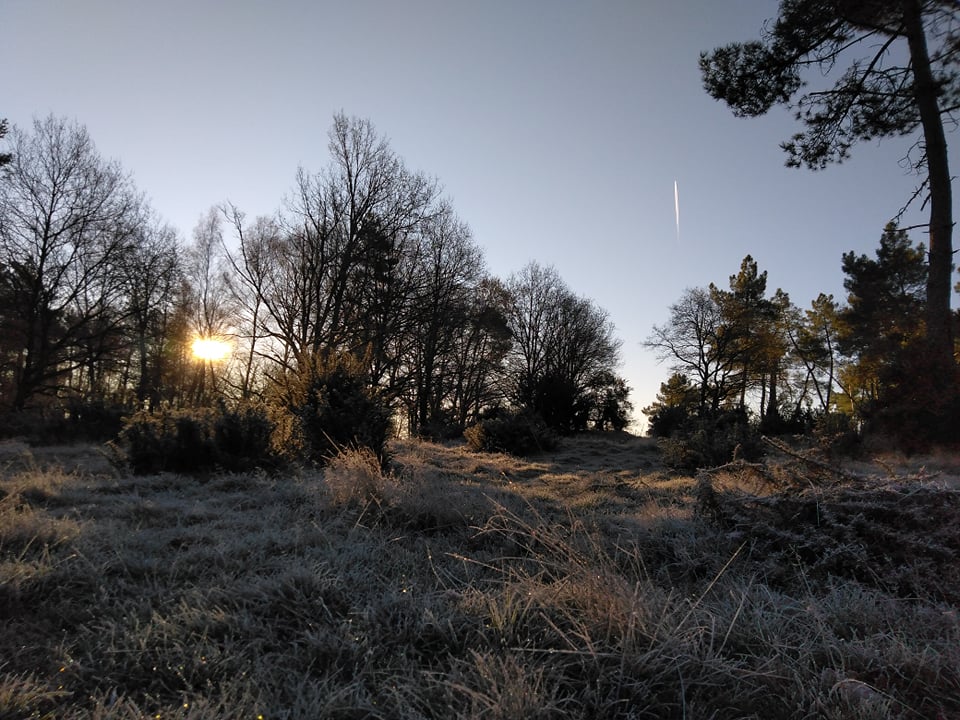
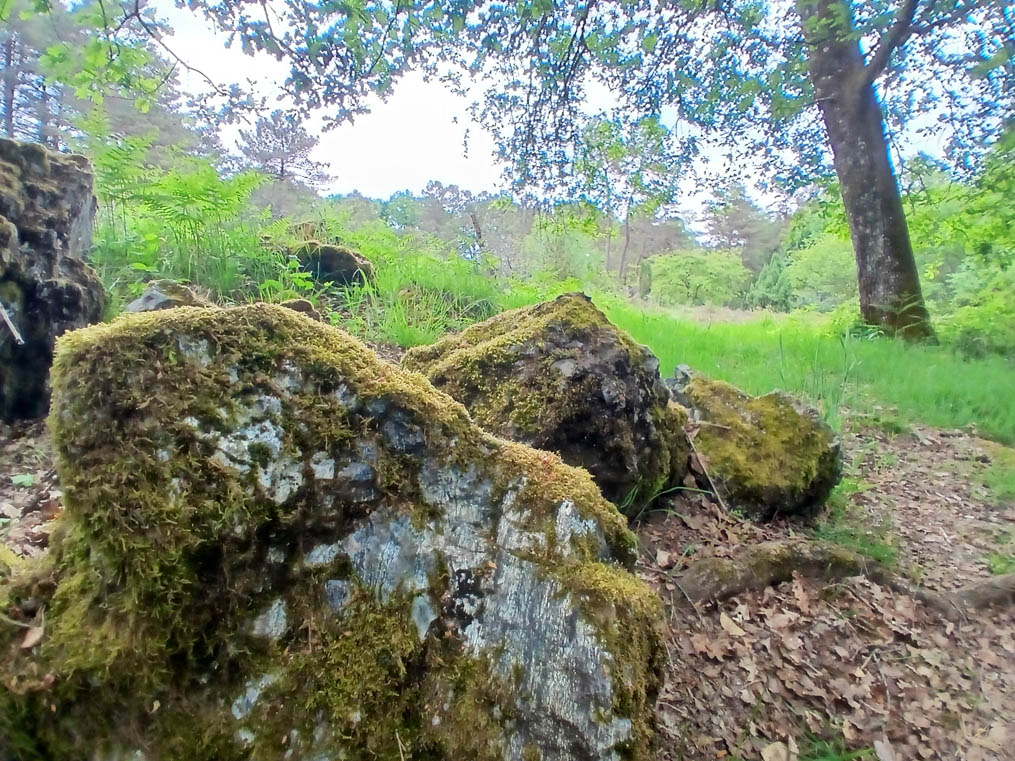
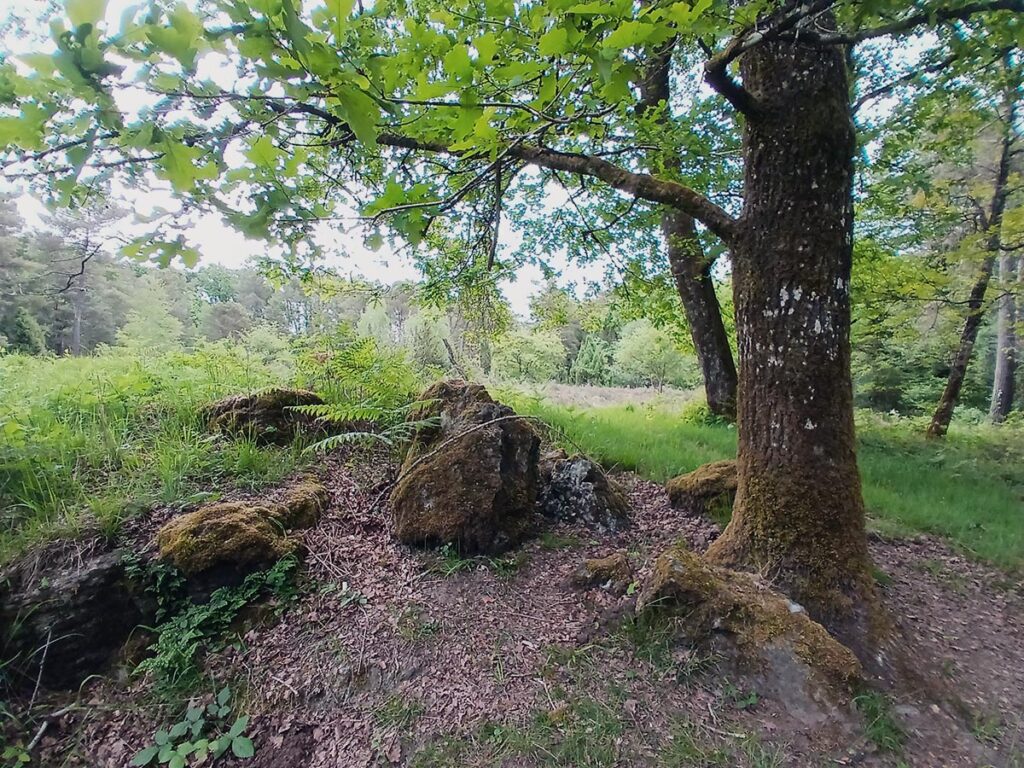
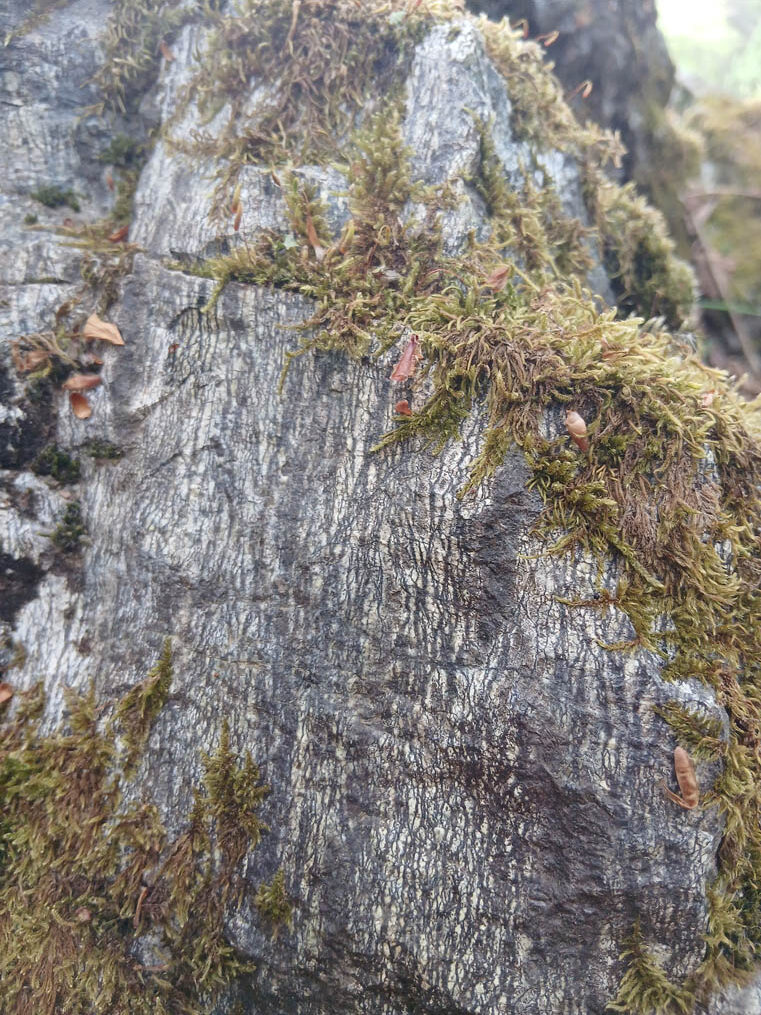
Just a stone’s throw from the village of Puycheny, the Rousseille site opens up a unique landscape: the serpentine moor. A real curiosity of the Haute-Vienne, it takes its name from a greenish rock with a scaly appearance, resembling a snake’s skin.
An exceptional ecosystem
Serpentine is a rare rock that creates unique living conditions for vegetation: the soil is low in nutrients but very rich in magnesium and heavy metals. It is this paradox that has given rise to what is known as serpentine flora, which is capable of adapting to this hostile environment.
As you walk through the moorland, you’ll be able to see:
- Rare plants : Such as orchids, spring squills and specific ferns.
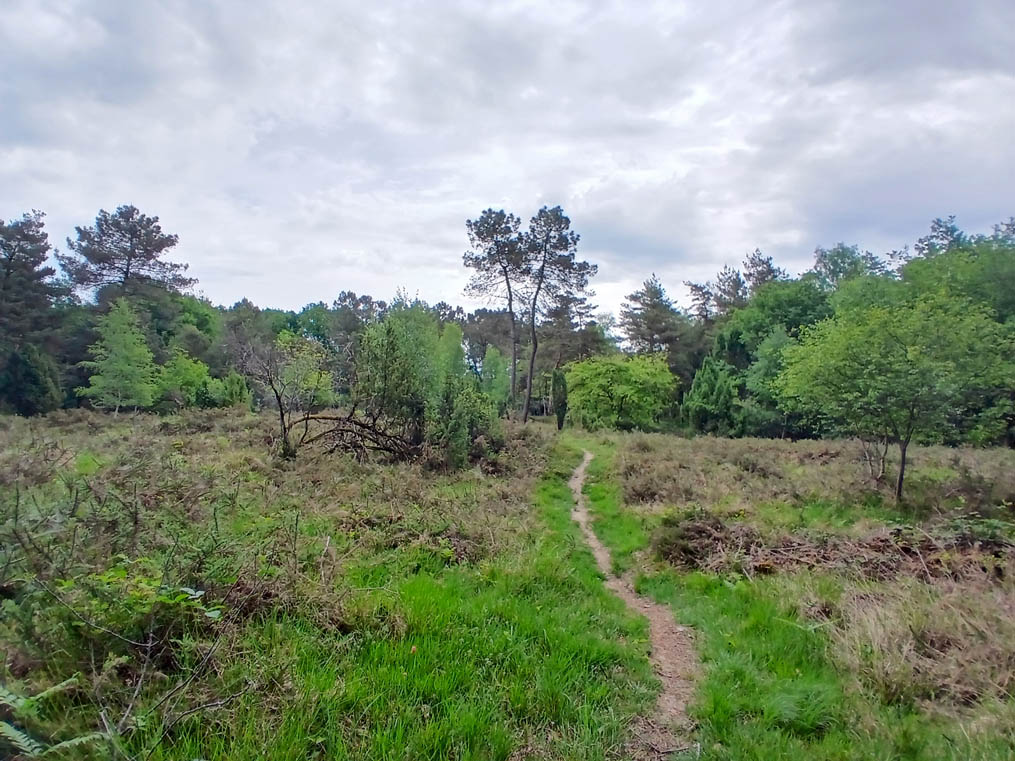
- An open landscape: A mosaic of short-cut lawns and heather-covered moors that contrasts sharply with the surrounding forests.
- Preserved biodiversity: A refuge for many insects, amphibians, birds and reptiles, which benefit from the heat stored in the rock and the water sources created by the extraction of clay and serpentine.
A heritage worth protecting
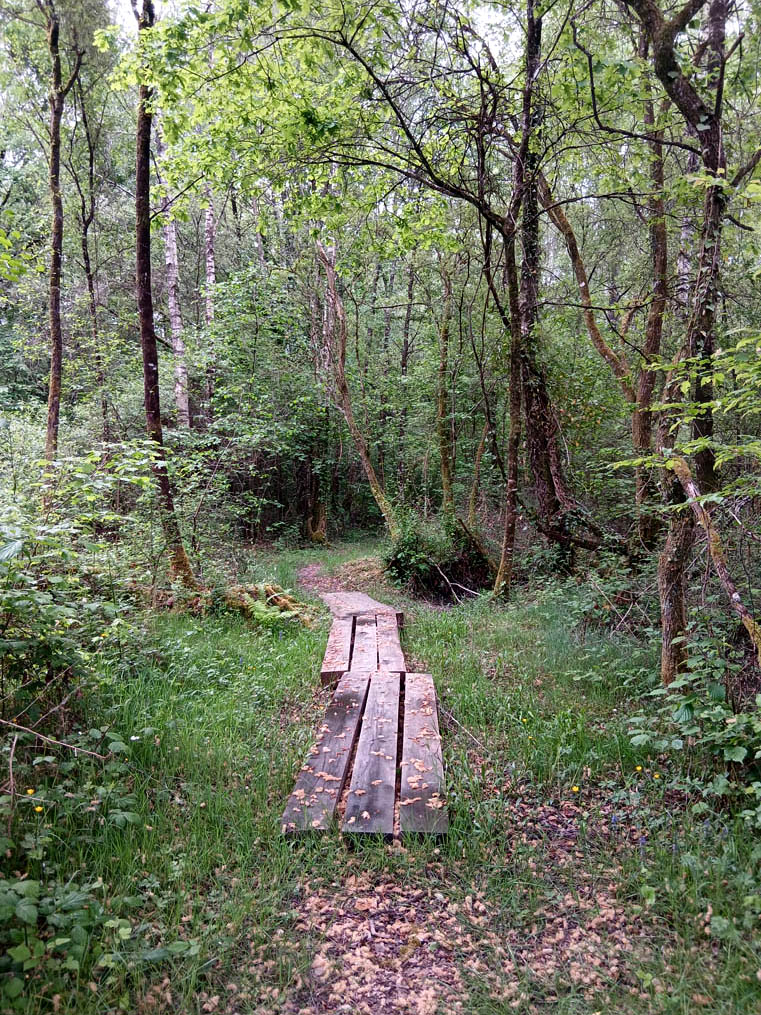
As part of a conservation initiative (in partnership with the Nouvelle-Aquitaine Conservatory of Natural Areas and the Périgord-Limousin Regional Nature Park), this site bears witness to the geological history of our region. As you stroll along the footpaths, you will discover a wild and mysterious side to the Limousin.
A tip for visitors: To fully appreciate the magic of this site, it’s best to visit in spring or late summer, when the moor is ablaze with the most beautiful colours of the flowering season.
Let’s respect nature: The heath is a sensitive environment. To protect its rare flora, please stay on the marked paths and do not pick any plants.
Tours of the heath
Topo sur les visites